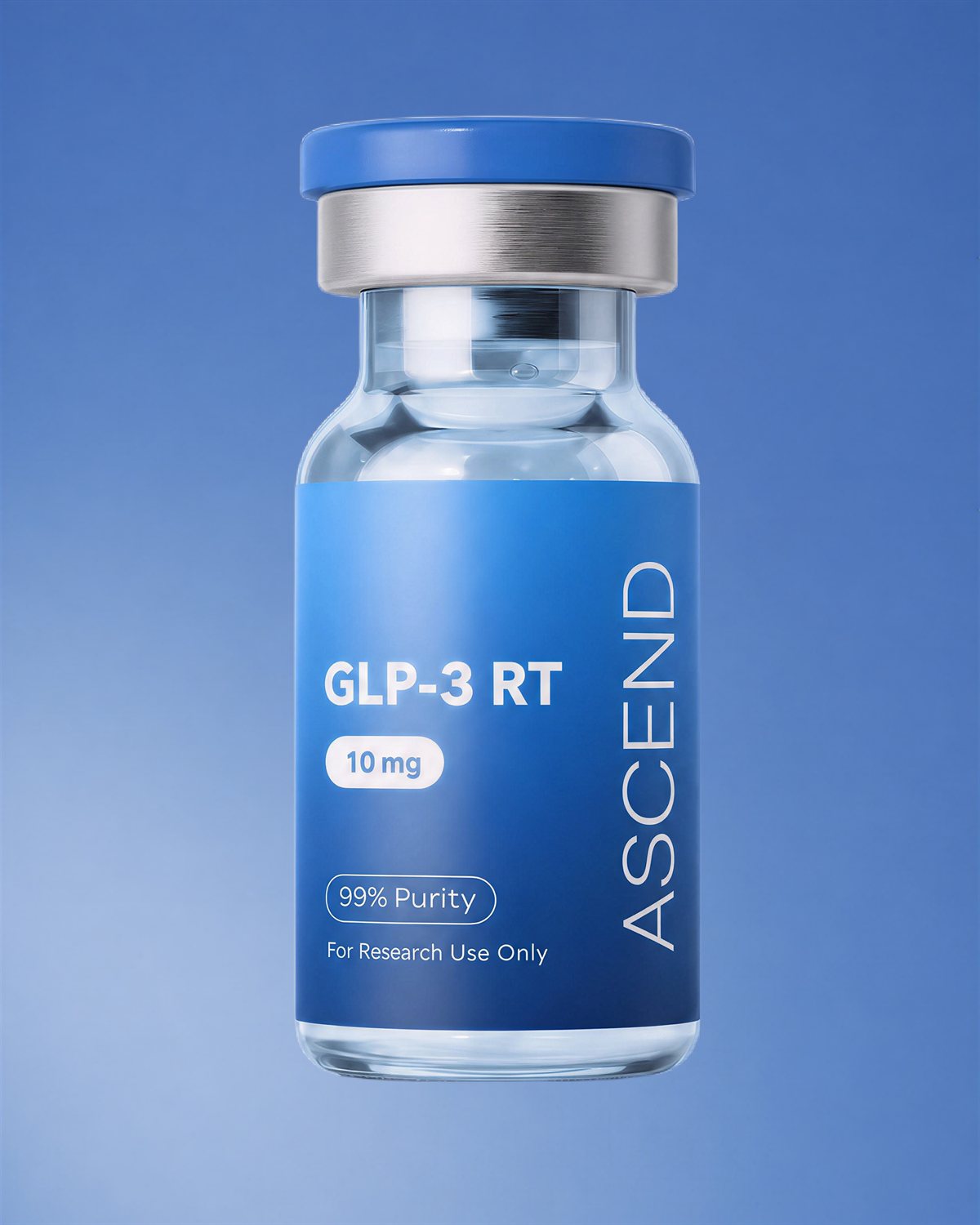
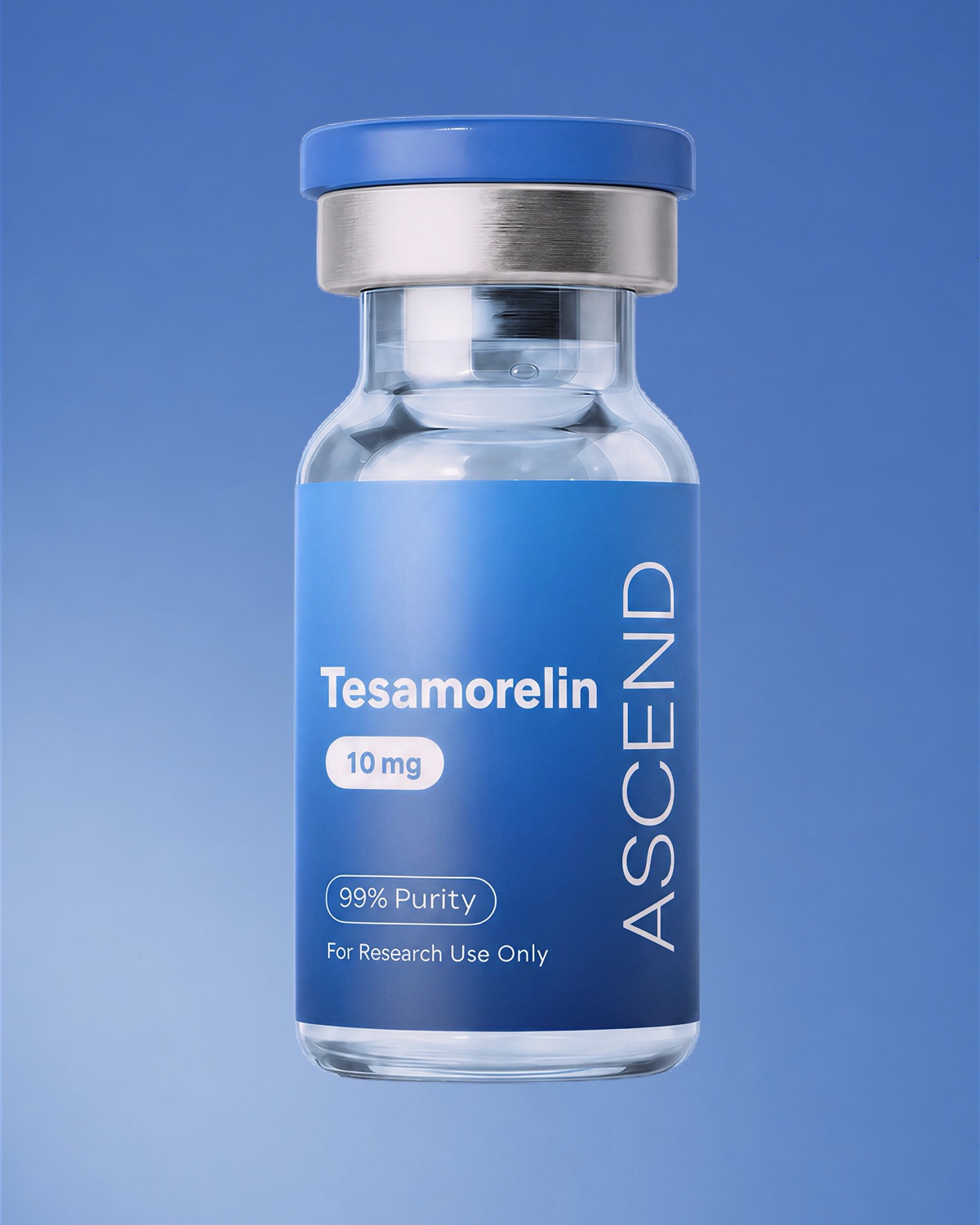
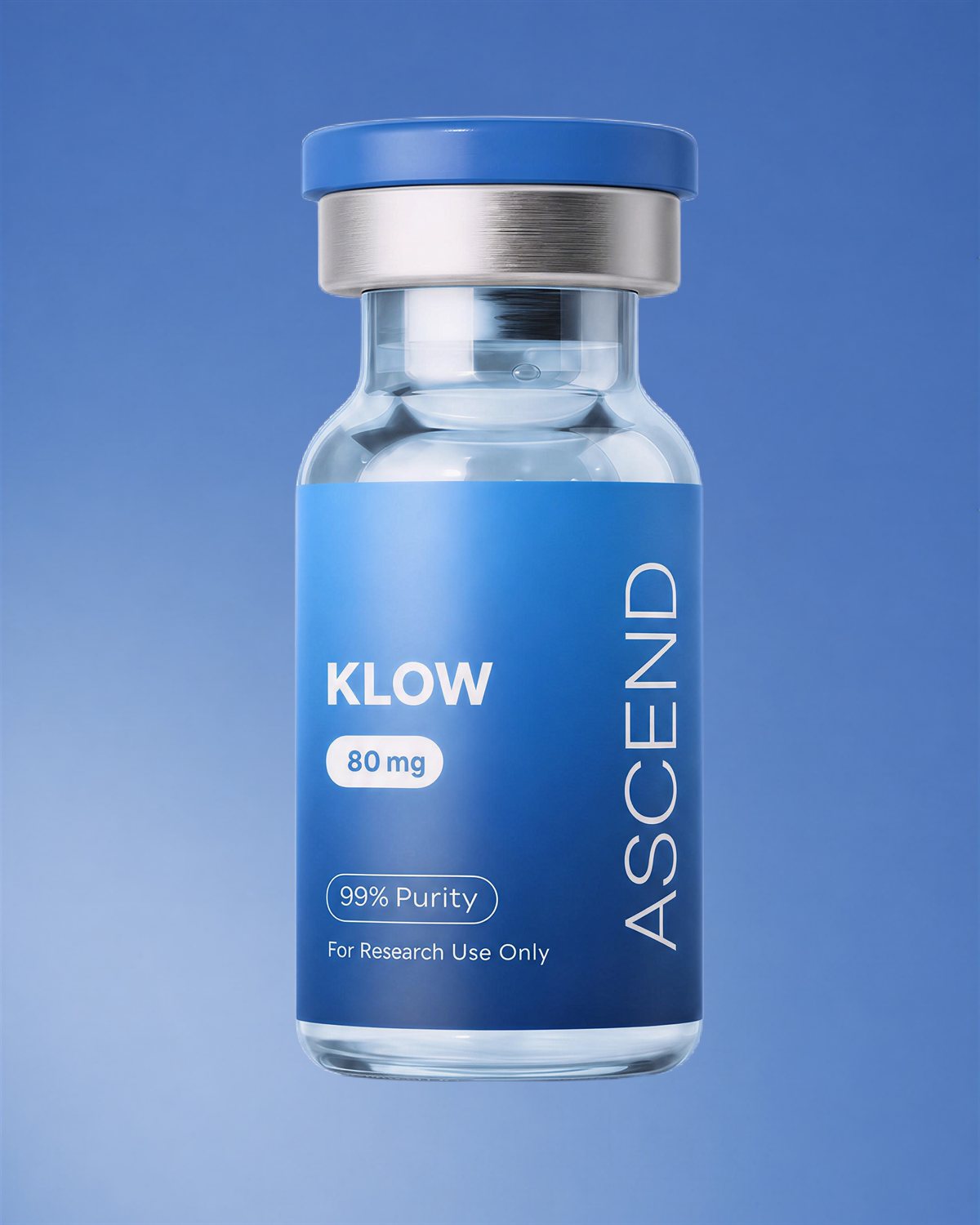
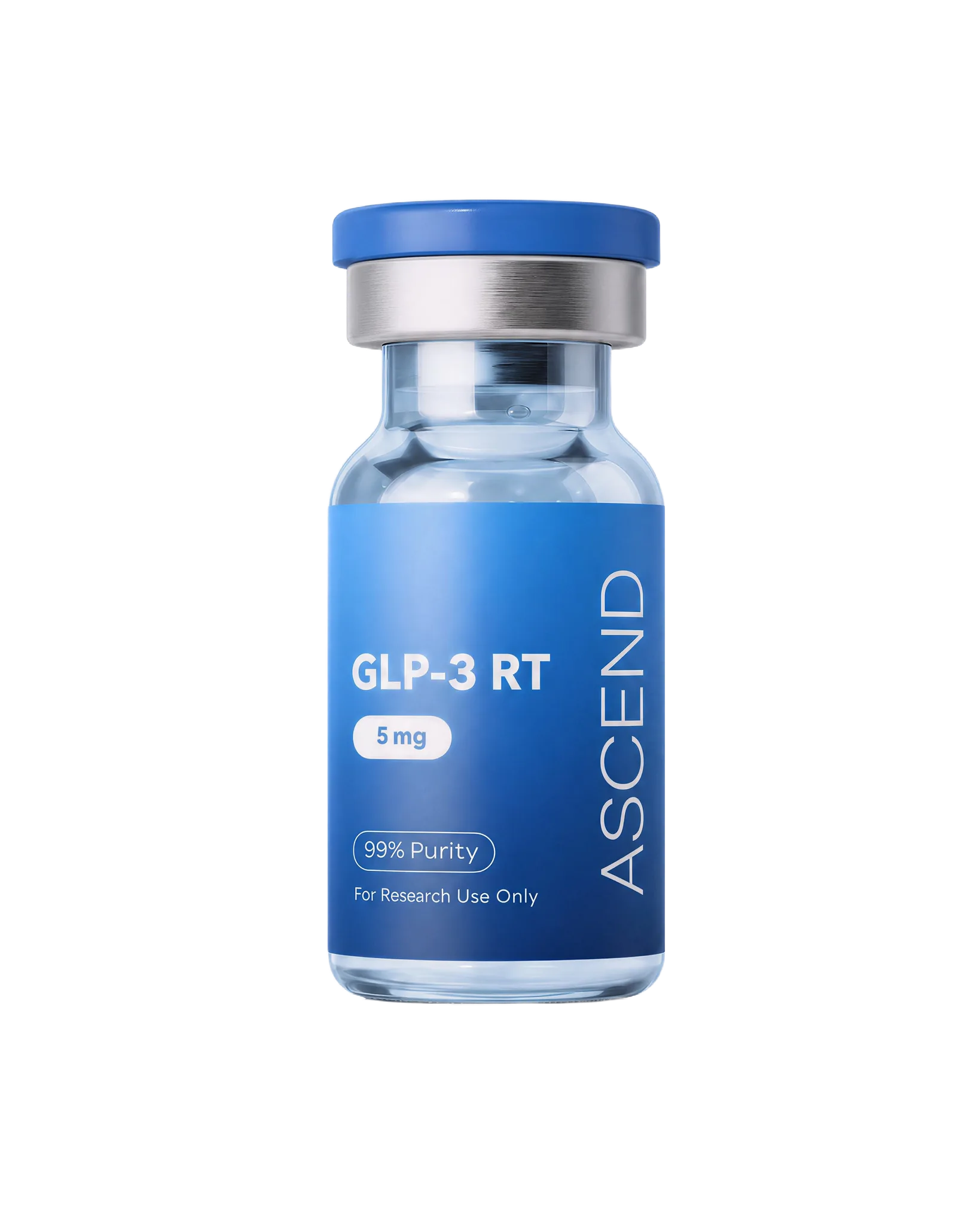
Quality Control
Identity, purity, potency, heavy metals, sterility, endotoxin, and a fentanyl screen. Verified by accredited third-party labs before any vial leaves our facility. Every result is published on the Certificate of Analysis tied to that exact lot.
What we test for, and how.
Every method below runs on every lot. Limits reflect our internal release specification — typically tighter than pharmacopeial minimums.
Purity
Reverse-phase HPLC quantifies the target compound against impurities and process residuals, referenced to a certified standard.
Content Verification
Acid hydrolysis followed by amino-acid quantification confirms mass and concentration match the labeled potency.
Identity Confirmation
Mass spectrometry confirms the exact molecular weight and flags any truncated or modified sequences.
Heavy Metals Screening
Inductively-coupled plasma mass spectrometry screens for lead, arsenic, cadmium, and mercury below USP <232> thresholds.
Sterility Testing
Membrane filtration into fluid thioglycollate and tryptic soy broth, incubated and inspected per USP <71>.
Endotoxin Testing
Limulus amebocyte lysate assay quantifies bacterial endotoxin for cell-culture compatibility.
Fentanyl Screen
Targeted LC-MS/MS screen confirms the absence of fentanyl and fentanyl-analog contamination on every lot.
Batch Conformity Verification
A final third-party review confirms every assay result matches the lot's release specification and that the published COA is true to the vial.
From synthesis to shelf, every sample is tracked.
Each lot is assigned a unique identifier at the point of synthesis. That ID follows the material through purification, lyophilization, fill, and every test point — and it's printed on the vial label and the Certificate of Analysis.
- 1
Synthesis complete
Solid-phase peptide synthesis, sequence assembled step by step.
- 2
RP-HPLC purification
Pooled fractions confirmed to ≥ 99% before moving forward.
- 3
Lyophilization
Freeze-dried to powder; residual moisture measured and logged.
- 4
Third-party release panel
All eight independent assays run and passed before release.
- 5
Fill & seal
Vialed under an argon-purged headspace and sealed.
- 6
COA published
Certificate of Analysis posted to the product page before shipping.
Common questions about our testing
Independent laboratories accredited to ISO/IEC 17025 run the identity, purity, and contamination assays. Our internal QC repeats HPLC on every lot as an additional release gate.
Before the lot is released to fulfillment. If a lot has no Certificate of Analysis on its product page, it cannot ship.
It is quarantined and destroyed. We never downgrade, re-sell, or sub-brand failed material.
Yes — every published COA links to the full HPLC trace and mass spectrum as downloadable PDFs, tied to the exact lot number.
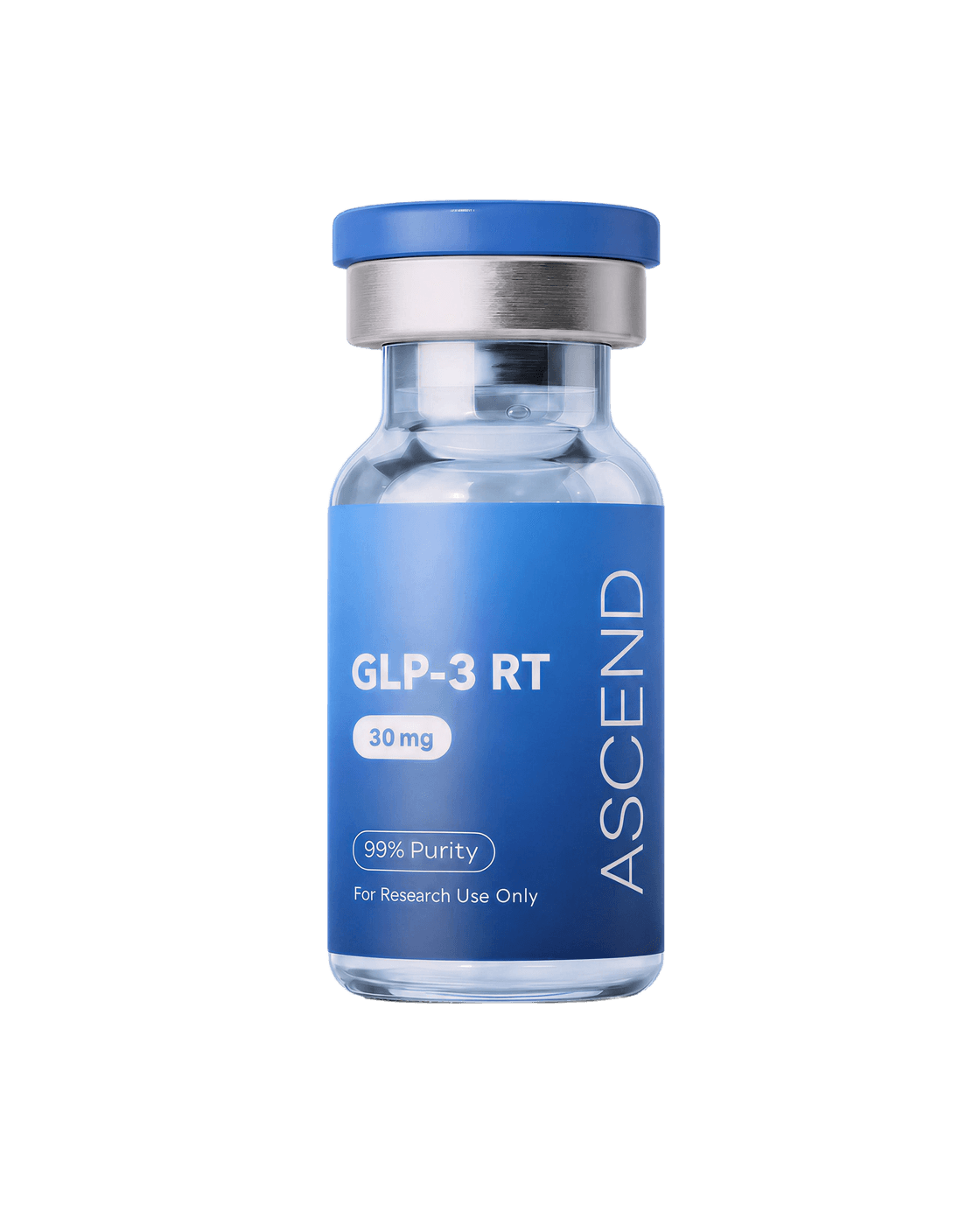
All the research compounds you need, with the confidence that every batch is 8× tested before it ships.
Subscribe to our Newsletter
Subscribe to our newsletter to get daily insights, news, updates.